Новости

How Pultruded FRP Profiles Are Used in Cooling Tower Structures

Oct. 07, 2026

Understanding the Use of Pultruded FRP Profiles in Cooling Tower Structures

The increasing demand for energy-efficient and durable cooling systems has made FRP Pultrusion Production Line technology crucial for manufacturers in the industrial sector. Users often encounter challenges such as corrosion, structural weakness, and maintenance costs when dealing with traditional cooling tower materials. Pultruded fiber-reinforced polymer (FRP) profiles effectively address these issues; they offer significant resistance to environmental factors, reduced weight for easier installation, and decreased maintenance needs. For example, cooling tower operators have reported a 40% decrease in maintenance costs by switching to FRP profiles.

Identifying User Pain Points and Real Needs

The primary pain points users face regarding cooling tower structures include:

  • Corrosion: Traditional materials like steel deteriorate quickly in harsh environments, leading to frequent repairs.
  • Weight: Heavy materials can complicate installation and increase structural costs due to the need for additional support.
  • Maintenance: The upkeep costs of traditional materials are often exorbitant, affecting overall operating budgets.

To meet these challenges, the introduction of FRP Pultrusion Machines has emerged as a potent solution, helping users integrate robust, lightweight, and corrosion-resistant materials in their cooling tower structures.

Preparation for Transitioning to FRP Profiles

Before transitioning to cooling tower structures built with pultruded FRP profiles, users must prepare adequately. Here’s a comprehensive guide to ensure a smooth transition:
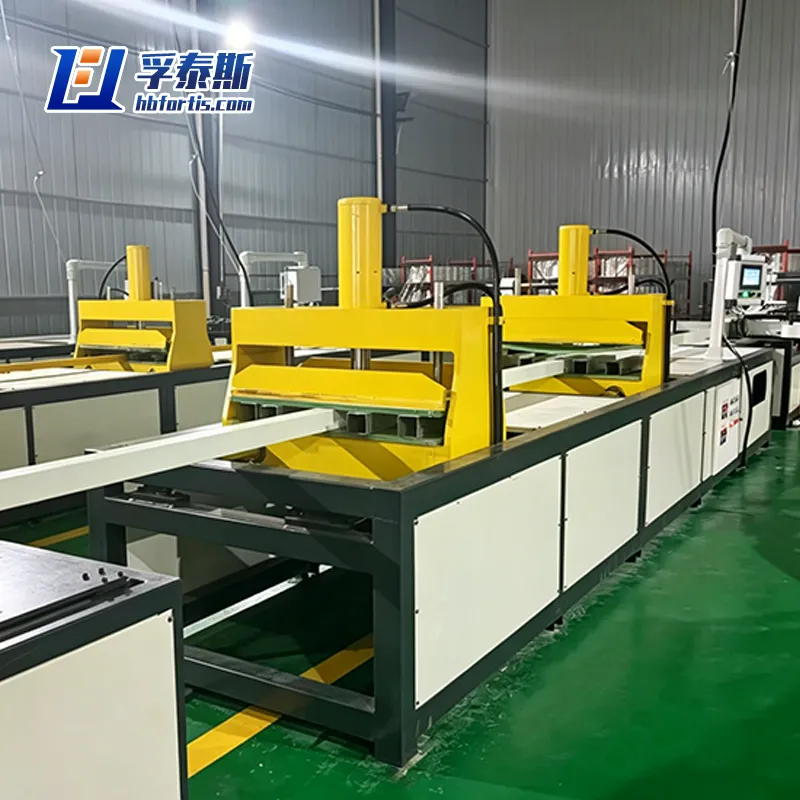
  • Materials: Opt for high-quality resin and reinforcing fibers. Fortis offers innovative FRP solutions designed for various industrial applications.
  • Tools: Gather tools including cutting saws, drills, and protective gear such as gloves and goggles.
  • Prerequisites: A thorough understanding of the cooling tower specifications and user requirements ensures that the pultruded profiles will fit the intended application.

Step-by-Step Guidance for Integrating FRP Profiles into Cooling Tower Structures

  1. **Assessment of Requirements:** Evaluate the specific requirements of the cooling tower, including size, weight capacity, and environmental factors.
  2. **Material Selection:** Choose the right pultruded FRP profiles based on the environmental conditions and mechanical load. Ensure the profiles meet or exceed industry standards for strength and durability.
  3. **Cutting and Preparation:** Use appropriate cutting tools to customize profiles according to the cooling tower design. Ensure clean cuts to prevent structural weaknesses.
  4. **Installation:** Follow a procedural guide to install profiles securely. Ensure that all fittings are aligned and fastened according to engineering specifications.
  5. **Quality Check:** Post-installation, conduct a thorough inspection to ensure that all components function as expected without leaks or structural issues.
  6. **Maintenance Protocol:** Establish a routine maintenance schedule to inspect FRP profiles regularly. Although they require less maintenance than traditional materials, checking for any signs of wear is prudent.

How Pultruded FRP Profiles Are Used in Cooling Tower Structures

Common Errors and Solutions in Using FRP Profiles

While integrating pultruded FRP profiles into cooling tower structures, users may encounter several common errors:

  • Incorrect Sizing: Ensure accurate measurements are taken during the assessment stage to avoid sizing errors that can lead to structural instability.
  • Poor Installation Practices: Follow recommended installation guidelines rigorously to prevent misalignment and ensure longevity. Seek guidance from Fortis representatives if uncertain.
  • Neglecting Regular Inspections: Schedule periodic checks to monitor for any potential deterioration, even in high-quality FRP materials.

Summary and Recommendations

The integration of pultruded FRP profiles in cooling tower structures presents a compelling solution for users facing challenges like corrosion, maintenance costs, and heavy materials. With benefits such as reduced weight, lower maintenance, and high durability, the transition to FRP technology can significantly enhance the efficiency and lifespan of cooling towers. It is recommended to consult specialists such as those at Fortis to ensure optimal material choice and installation practices.

Frequently Asked Questions (FAQ)

1. How do pultruded FRP profiles compare to traditional materials?

Pultruded FRP profiles offer superior corrosion resistance and lower maintenance, contributing to a longer lifespan and reduced life-cycle costs compared to traditional materials like steel.

2. What is the average service life of pultruded FRP profiles in cooling tower applications?

Research indicates that pultruded FRP profiles can last over 20 years in cooling tower applications, significantly outperforming traditional materials.

3. Are there specific installation techniques for pultruded FRP profiles?

Yes, while the installation of pultruded FRP profiles follows conventional practices, attention must be paid to alignment and fitting to ensure structural integrity throughout their lifespan.

Немедленно свяжитесь с нами, чтобы обсудить требования к проекту вашего продукта

Связаться с нами

Связаться с нами

Тел.: +86 189 3266 2725

Электронная почта: sale@hbfortis.com

Добавь.: №8-1, улица Чжэньсин, город Матун, уезд Цзаоцян, город Хэншуй, провинция Хэбэй

Свяжитесь с нами

Свяжитесь с нами

Авторское право © Hebei Fortis Technology Co., LTD Все права защищены | Карта сайта | Политика конфиденциальности | Powered by